Category: Dementia
How does COVID affect the brain? Two neuroscientists explain
Many with long COVID report difficulty with attention and planning — known as ‘brain fog.’

Trouble Managing Money May Be an Early Sign of Dementia
Long before they receive a dementia diagnosis, many people start losing their ability to manage their finances.
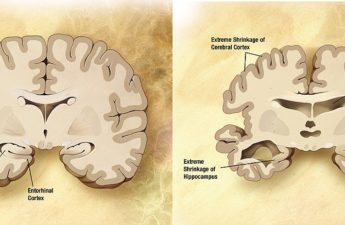
Why don’t we have a cure for Alzheimer’s disease?
Currently, the only approved drugs for Alzheimer’s merely alleviate some of the symptoms and do not stop the disease from progressing.

What is Lewy body dementia?
Tom Seaver, like Robin Williams, had Lewy body dementia, but what is this strange illness? A neurologist explains
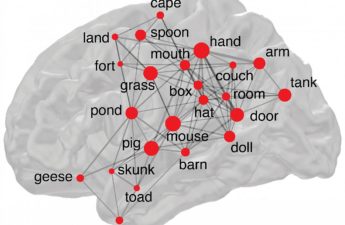
Why some words may be more memorable than others
NIH study suggests our brains may use search engine strategies to remember words and memories of our past experiences.
Diagnosed With Dementia, She Documented Her Wishes. They Said No.
Even when people document their choices ― while they still have the ability to do so ― there’s no guarantee those instructions will be honored.

Extending ‘Healthspan’: Brain Scientists Tap Into The Secrets Of Living Well Longer
It’s not just how long you live, but how vibrant you remain later in life. Exercising both your body and brain can help you stay healthier longer.
Vast majority of dementia patients don’t receive specialty diagnosis and care, study
One year after diagnosis, less than a quarter of patients had seen a dementia specialist. After five years, the percent of patients had only increased to 36%.

Memory and attention difficulties are often part of a normal life
Can’t remember what you came for? Don’t worry – you probably have a lot going on.

Common Medications Can Masquerade As Dementia In Seniors
1 in 4 older adults take anticholinergic drugs — a class of medications used to treat allergies, insomnia, leaky bladders, and other common disorders

No cure for Alzheimer’s in my lifetime
If you understand why there won’t be much headway on Alzheimer’s, you’ll also understand why medicine has been having fewer breakthroughs on major diseases.
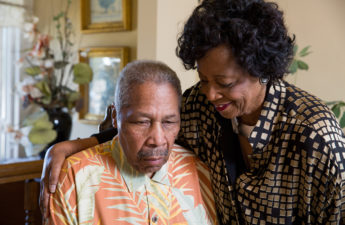
States Push For Caregiver Tax Credits
The average caregiver spends $6,954 a year on out-of-pocket costs caring for a family member.

Seniors Aging In Place Turn To Devices And Helpers, But Unmet Needs Are Common
Nearly half of older adults with probable dementia or difficulty performing daily activities don’t get assistance from family, friends or paid caregivers

Watch Out for False Promises About So-Called Alzheimer’s Cures
FDA warns consumers to avoid unproven and potentially unsafe products sold as treatments for Alzheimer’s disease.
Assisted Living’s Breakneck Growth Leaves Patient Safety Behind
Dementia care is the fastest-growing segment of assisted living. But facilities across the country are straining to deliver on their promises of attentive care