Category: Brain and Nervous System
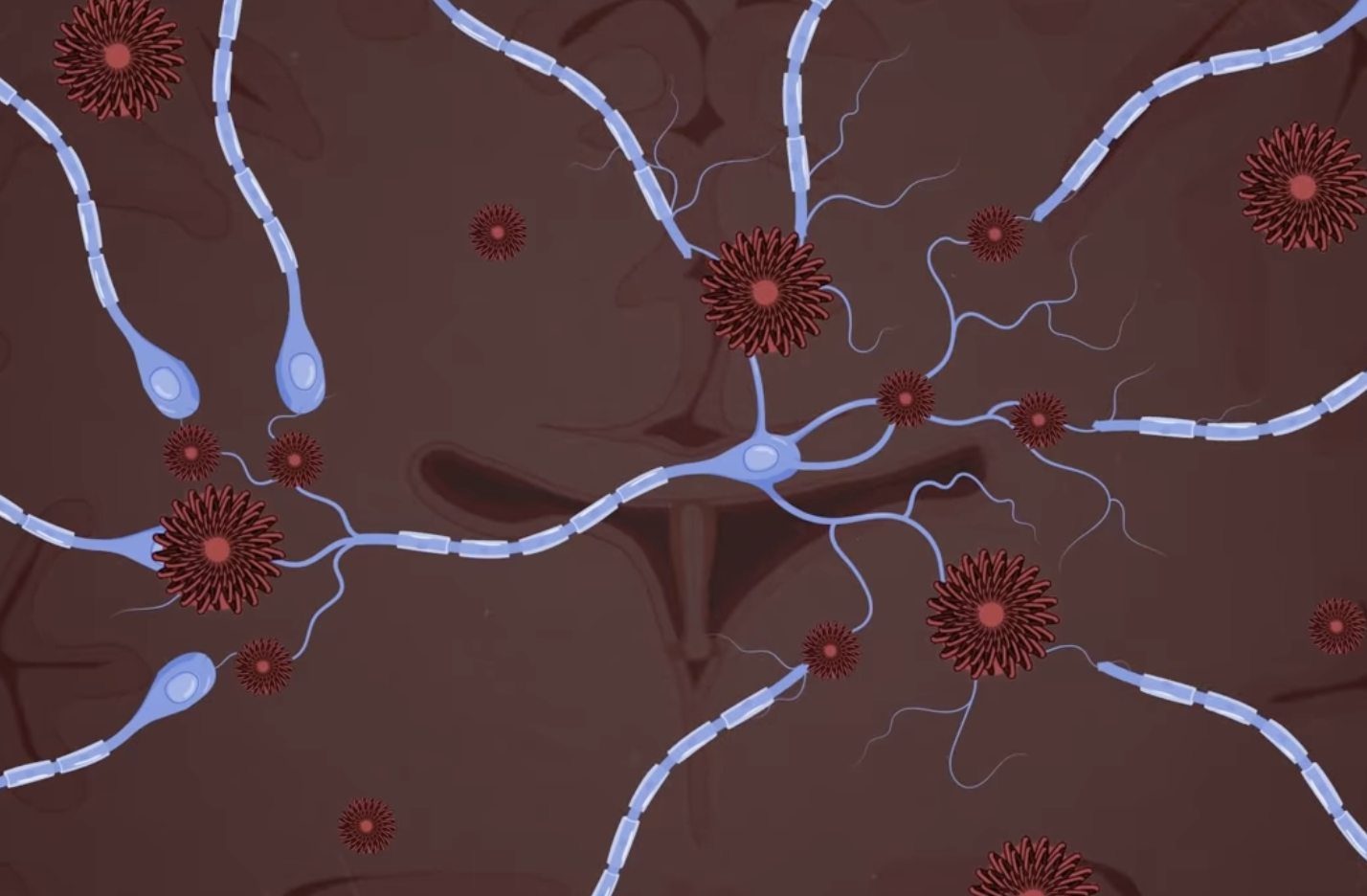
The FDA approved a new drug to treat Alzheimer’s, but Medicare won’t always pay for it – a doctor explains what researchers know about Biogen’s Aduhelm
The core of the issue surrounding this drug is simple: Does it actually work? Here’s an explainer on Aduhelm, the new drug to treat Alzheimer’s.
Continue reading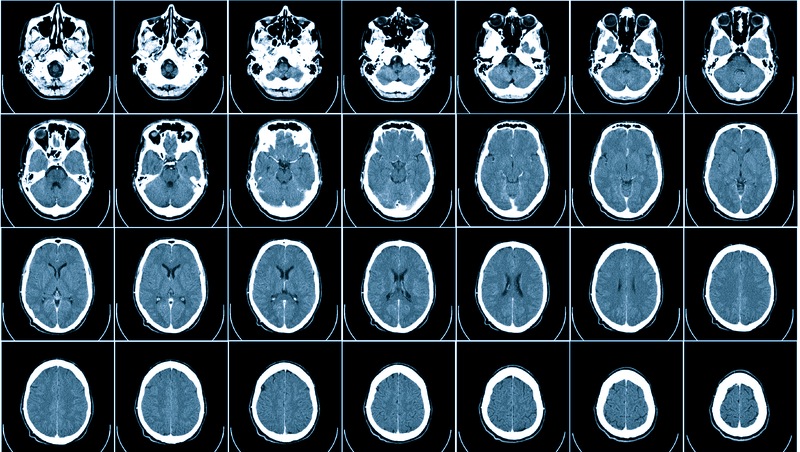
Scientists track how the brain changes over a lifetime
The volume of grey matter (brain cells) increases rapidly from mid-gestation onwards, peaking just before we are six years old. It then begins to decrease slowly. The volume of white matter (brain connections) also increased rapidly from mid-gestation through early childhood and peaks just before we are 29 years old. The decline in white matter volume begins to accelerate after 50 years.
Continue reading
What is aphasia? An expert explains the condition forcing Bruce Willis to retire from acting
Almost everyone with aphasia struggles when trying to come up with the names of things they know, but can’t find the name for. And because of that, they have trouble using words in sentences. It also affects the ability of those with the condition to read and write.
Continue reading
COVID-19 and the brain
Even mild cases of COVID-19 can leave a mark on the brain, such as reductions in gray matter – a neuroscientist explains emerging research.
Continue reading
Autism is still underdiagnosed in girls and women. That can compound the challenges they face
Being autistic, but not diagnosed, can lead to a lifetime of struggles and being misunderstood for women.
Continue reading
Risk factors that determine whether you’re more or less likely to develop cognitive decline
Why some people with mild cognitive impairment develop dementia while others don’t has long been a mystery. But a recent study has identified several factors that determine whether a person is more or less likely to develop mild cognitive impairment. These findings might give us a clue about who might be more likely to develop dementia.
Continue reading
‘Brain fog’ during menopause is real – it can disrupt women’s work and spark dementia fears
For nearly two-thirds of women, menopause comes with an undesirable change in memory.
Continue reading
Cataract surgery linked with lessened dementia risk, UW study finds.
Results reported in JAMA Internal Medicine associate cataract surgery with 30% lower risk of dementia in aging population.
Continue reading
Alzheimer’s Drug Targets People With Mild Cognitive Impairment. What Does That Mean?
Yet this narrower recommendation raises questions. What does a diagnosis of mild cognitive impairment mean? Is Aduhelm appropriate for all people with mild cognitive impairment, or only some? And who should decide which patients qualify for treatment: dementia specialists or primary care physicians?
Continue reading
How does COVID affect the brain? Two neuroscientists explain
Many with long COVID report difficulty with attention and planning — known as ‘brain fog.’
Continue reading
ADHD in adults: what it’s like living with the condition – and why many still struggle to get diagnosed
About 2.5% of adults are thought to live with ADHD
Continue reading
Study shows how taking short breaks may help our brains learn new skills
NIH scientists discover that the resting brain repeatedly replays compressed memories of what was just practiced.
Continue reading
Trouble Managing Money May Be an Early Sign of Dementia
Long before they receive a dementia diagnosis, many people start losing their ability to manage their finances.
Continue reading
Why don’t we have a cure for Alzheimer’s disease?
Currently, the only approved drugs for Alzheimer’s merely alleviate some of the symptoms and do not stop the disease from progressing.
Continue reading
How Your Brain Tricks You Into Taking Risks During the Pandemic
The unprecedented nature of the pandemic undermines how we process information and assess risk. Need proof? Look around.
Continue reading