Schematic of DNA double helix

When it comes to the rarest of diseases, the diagnosis isn’t the answer – it’s just the starting point

Major advances in the precision and speed of gene sequencing technology followed by dramatic reductions in the costs of testing – have radically changed how medical genetics clinics function. But while sequencing can provide confirmation of a suspected, well-understood condition, it frequently results in a situation like that faced by the Smiths, where the testing result shows an incredibly rare disorder with little known about it.

Continue reading

640px BendORPanoramic

Small Towns Drew Most New Pandemic Residents

In states around the country, people who moved early in the pandemic were attracted to wide-open spaces in relatively obscure towns rather than the big cities that had attracted millennials in the previous decade. The moves may have brought welcome money to smaller towns, but they also raised housing prices and changed the bucolic way of life that attracted residents in the first place. And in the past year, moving patterns largely have reverted to pre-pandemic trends.

Continue reading
Screen Shot 2022 04 12 at 8.50.07 AM

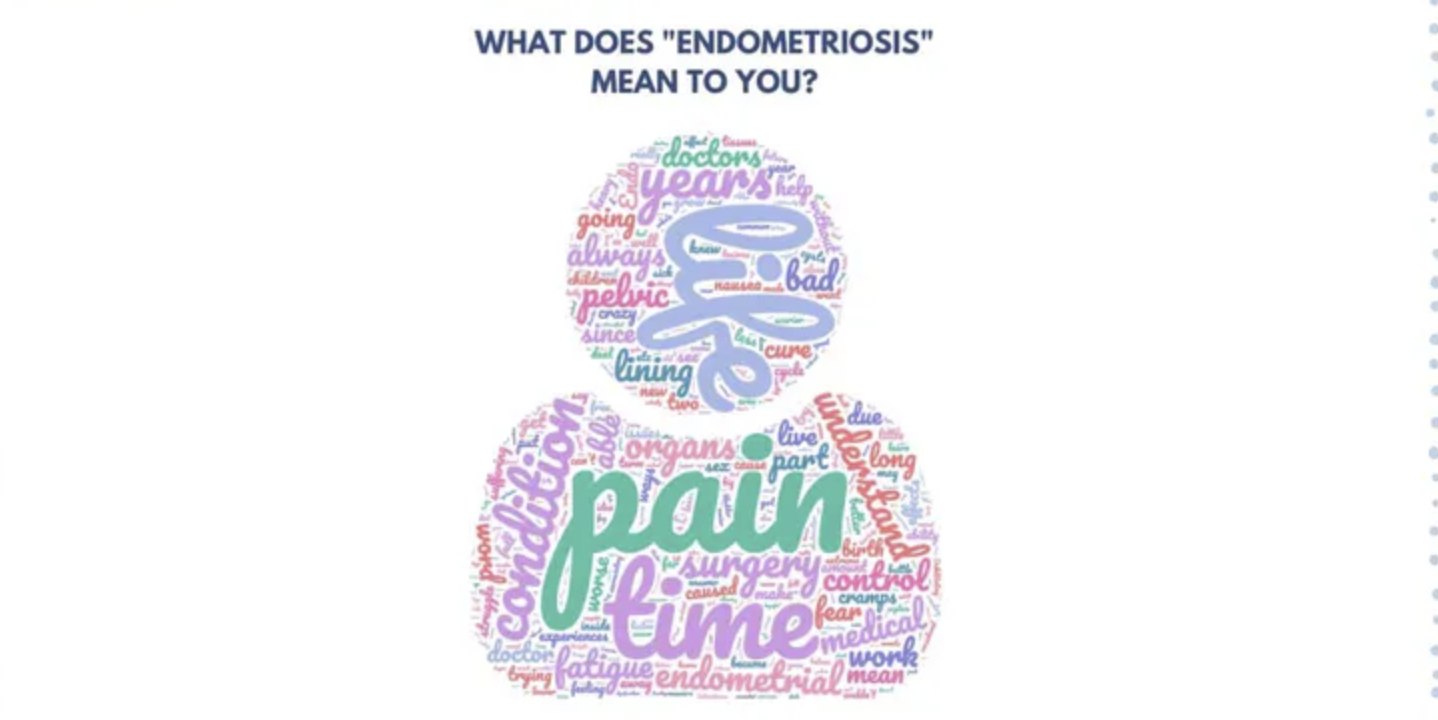
Endometriosis: How advocacy, awareness and algorithms could shorten the long wait for diagnosis and treatment

Endometriosis affects an estimated 200 million people worldwide. Despite its prevalence, those living with the disease often wait an average of 7.5 years between start of symptoms and diagnosis. This delay is due to a variety of reasons, including medical dismissal, a low prioritization of the condition and its overall misrepresentation in research funding, policy and media.

Continue reading
Screen Shot 2022 04 12 at 8.41.21 AM

Omicron XE is spreading in the UK – a virologist explains what we know about this hybrid variant

Recombination occurs when two different variants infect the same cell, in the same person, at the same time. From there, they can combine their genetic material, resulting in a virus that possesses a mix of genes from both infecting “parent” viruses. This recombinant variant may then spread to other people – as has been the case with omicron XE.

Continue reading
800px Computed tomography of human brain large

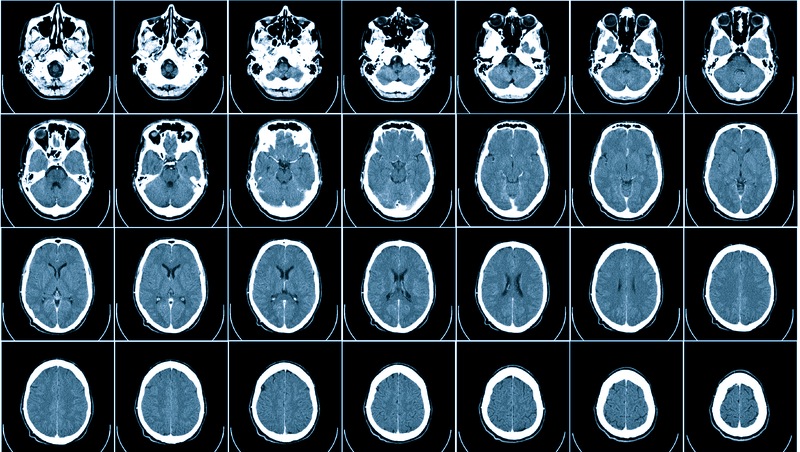
Scientists track how the brain changes over a lifetime

The volume of grey matter (brain cells) increases rapidly from mid-gestation onwards, peaking just before we are six years old. It then begins to decrease slowly. The volume of white matter (brain connections) also increased rapidly from mid-gestation through early childhood and peaks just before we are 29 years old. The decline in white matter volume begins to accelerate after 50 years.

Continue reading
Illustration of a nurse helping an older woman with a cane.

What is palliative care? How is it different from hospice?

Palliative care was not associated with shortened survival, pushing back against a popular assumption that pursuing palliative care means “giving up” on fighting disease. In fact, one influential study found that patients with advanced lung cancer who receive specialty palliative care in addition to standard oncology care lived almost three months longer than patients who received standard oncology care only.

Continue reading
Trans sexuality g9f1595141

The Fractious Evolution of Pediatric Transgender Medicine

Pediatric transgender medicine is a new field with a lot of questions yet to be answered by science. What is the long-term impact of blocking puberty on a young person’s health? Can practitioners correctly determine which youngsters will still identify as trans when they are adults? Do the psychological assessments contribute to children’s suffering by delaying access to puberty blockers and hormones? Why has the number of teens coming forward to receive transgender medical care, particularly those assigned female at birth, risen so dramatically in recent years?

Continue reading