Category: Health Policy

In America, Cancer Patients Endure Debt on Top of Disease
Cancer kills about 600,000 people in the U.S. every year, making it a leading cause of death. Many more survive it, because of breakthroughs in medicines and therapies. But the high costs of modern-day care have left millions with a devastating financial burden. That’s forced patients and their families to make gut-wrenching sacrifices even as they confront a grave illness.
Continue reading
New Safeguards May Help Those Who Are Drowning in Medical Debt
Patient advocates and some state governments say hospitals must do more to help patients deal with medical bills before the debt winds up in collections.
Continue reading
Cognitive biases and brain biology help explain why facts don’t change minds
People form opinions based on emotions, such as fear, contempt and anger, rather than relying on facts. New facts often do not change people’s minds.
Continue reading
Washington State Department of Health releases plan to promote health equity
The overall vision emphasizes DOH’s commitment to health for all by creating policies and conditions so every Washingtonian can live their healthiest lives, the agency said.
Continue reading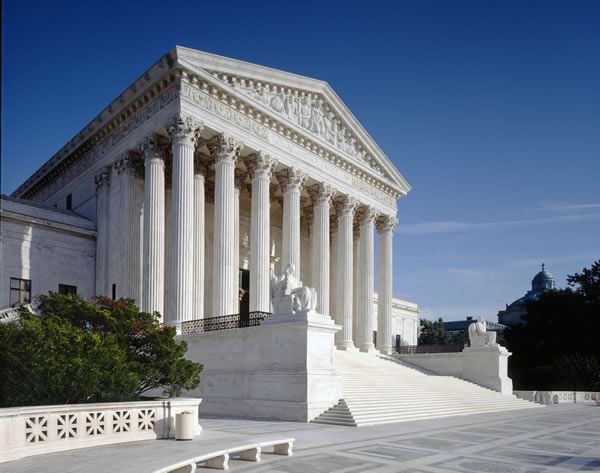
‘A revolutionary ruling – and not just for abortion’: A Supreme Court scholar explains the impact of Dobbs
The ruling signals a massive change in how we read the Constitution, from a living reading to an original reading. The court has firmly rejected the theory of the living Constitution, which argues that the meaning of the document’s language changes as the beliefs and values of Americans change.
Continue reading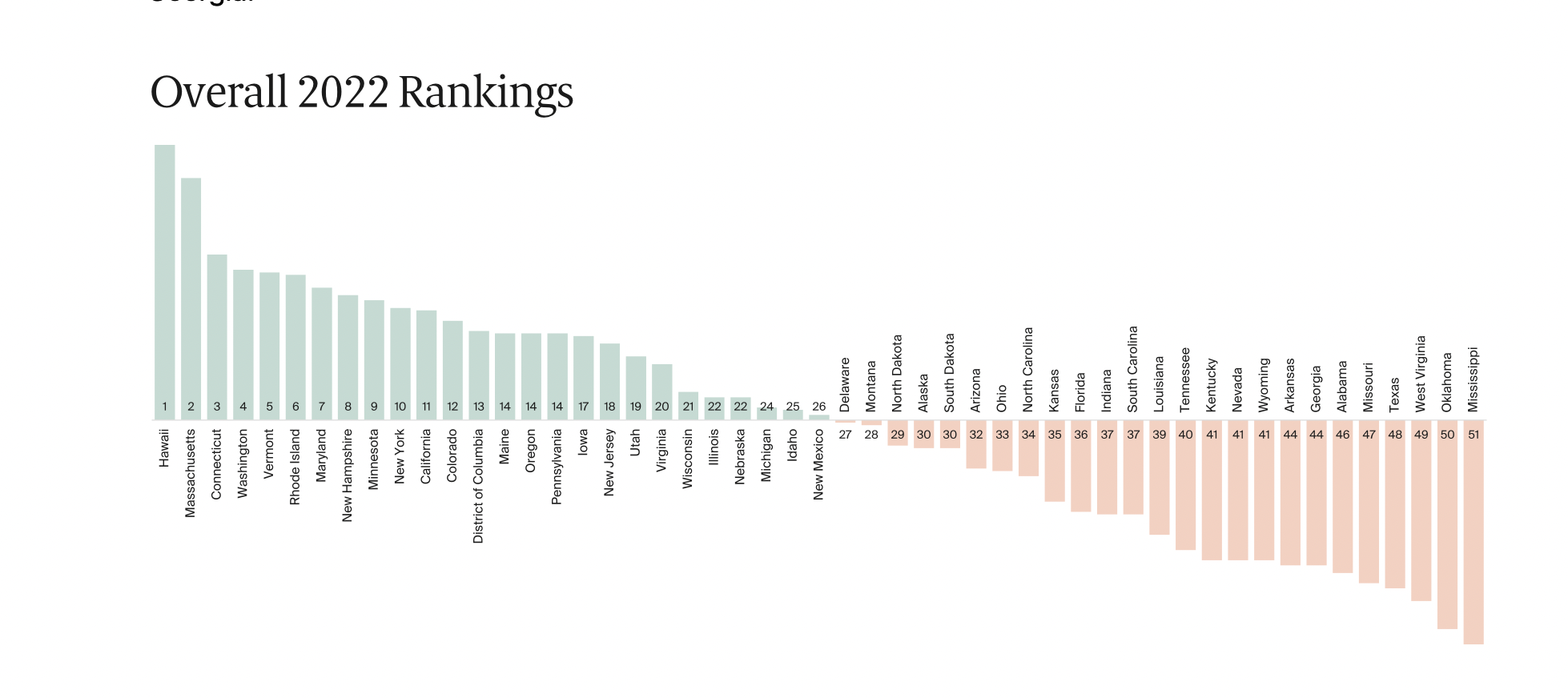
Washington state ranked 4th in nation for healthcare during pandemic
The health systems in Hawaii and Maine have performed best of all the states during the COVID-19 pandemic, according to new rankings that weighed such factors as vaccination rates, capacity in hospital and intensive care units, and death rates. Alabama ranked at the bottom in the scorecard, followed by Oklahoma, Kentucky, Mississippi and Georgia.
Continue reading
Will the US Overcome Its Covid Complacency Even as the Threat Returns?
Two years ago, pre-vaccine, the images of dying people on ventilators saying goodbye on iPads, doctors in hazmat suits, and portable morgues in hospital parking lots briefly engaged everyone in the need for public health resources, and Congress stepped up. Now, the public has moved on. But the threat hasn’t gone away. And there will be a price to pay.
Continue reading
Abortion has been common in the US since the 18th century – and debate over it started soon after
From the nation’s founding through the early 1800s, pre-quickening abortions – that is, abortions before a pregnant person feels fetal movement – were fairly common and even advertised.
Continue reading
Sex matters in biomedical research: Many conditions affect men and women differently
Though men, women and gender-diverse people share many similarities, understanding how sex differences are expressed through physical health is paramount to improving everyone’s quality of life.
Continue reading
Lifesaving COVID Medications Can Be Hard to Come By
Early in the pandemic, states competed for the limited supply of ventilators, personal protective equipment and tests in a chaotic free-for-all. To avoid a repeat, the federal government is buying millions of doses of the COVID-19 therapeutic medications and allocating those to states, which in turn distribute them to pharmacies or hospitals. In many places, what is arriving is far less than the need.
Continue reading
Polio, Chickenpox, Measles, Now Covid. It’s Time to Consult History on School Vaccine Mandates
History holds lessons for why low vaccination rates for children are so risky and why officials should strongly consider school mandates for the covid vaccine.
Continue reading
Missouri’s War on Public Health Shows Extent of National Rift
At least 1 in 5 Americans live in places that had lost their top local public health official amid a wave of threats to the profession and chronic stress that led to firings, resignations, and retirements since the pandemic began. Such blows endanger the public health system’s ability to respond to other issues in the future, public health officials said.
Continue reading
Justices Block Broad Worker Vaccine Requirement, Allow Health Worker Mandate to Proceed
The OSHA rules are opposed by many business groups, led by the small business advocacy organization the National Federation of Independent Business. It argued that allowing the rules to take effect would leave businesses “irreparably harmed,” both by the costs of compliance and the possibility that workers would quit rather than accept the vaccine.
Continue reading
Social factors are as important as pills and vaccines in the battle against Covid
Socioeconomic status, occupation and economic mobility and the primary drivers of unequal health outcomes.
Continue reading
Telehealth’s Limits: Battle Over State Lines and Licensing Threatens Patients’ Options
If you live in one state, does it matter that the doctor treating you online is in another? Surprisingly, the answer is yes, and the ability to conduct certain virtual appointments may be nearing an end.
Continue reading