Category: Cancer

By looking for fragments of DNA that have escaped from tumors into the bloodstream, or circulating tumor DNA (ctDNA), doctors may be able to identify which of their patients with colorectal cancer need chemotherapy after surgery.
Continue reading
Reduce Radon for a Safer Home –
Radon is a naturally occurring radioactive gas. We can’t see it, taste it, or smell it, but it is the leading cause of lung cancer among nonsmokers in the United States. Radon is responsible for about 21,000 deaths in the United States each year.
Continue reading
‘I’m not going to be cured’. How breast cancer awareness and support sidelines people with metastatic disease
There have been incredible advances in breast cancer diagnosis and treatment in recent years. And stories about celebrities who have “beaten” breast cancer continue to be a source of inspiration for many people. However, this emphasis on fighting, beating and surviving cancer shuts out the voices of those who will not survive. That is, the many people diagnosed with incurable, life-limiting metastatic breast cancer.
Continue reading
What to Know About Metastatic Breast Cancer
When cancer cells break away from a tumor, they can travel to other parts of the body. Metastatic breast cancer happens when cancer that began in the breast spreads (metastasizes) to other parts of the body, such as nearby lymph nodes, bones, liver, and lungs. It is also different than other stages of breast cancer, as it means you will likely have breast cancer for the rest of your life.
Continue reading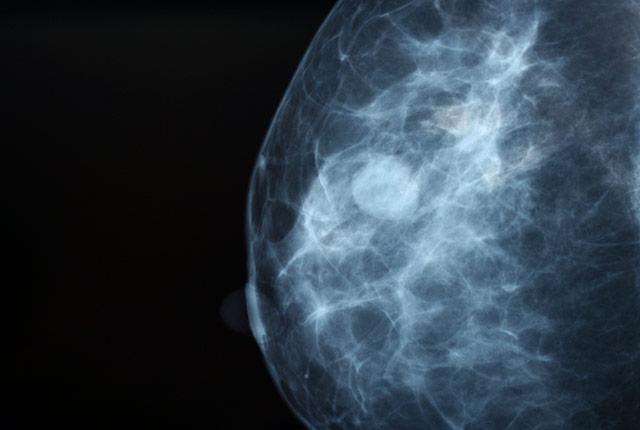
Study Adds to Debate about Mammography in Older Women
Studies have shown that routine screening mammography does reduce breast cancer deaths in women aged 40 to 75. But screening also comes with downsides, which include the risk of overdiagnosis and overtreatment. A new study suggests that the risk of overdiagnosis with routine screening mammography is substantial for women in their 70s and older.
Continue reading
Skin cancer screening guidelines can seem confusing – three skin cancer researchers explain when to consider getting checked
Skin cancer affects about 6 million Americans yearly, more than all other types of cancers combined.
Continue reading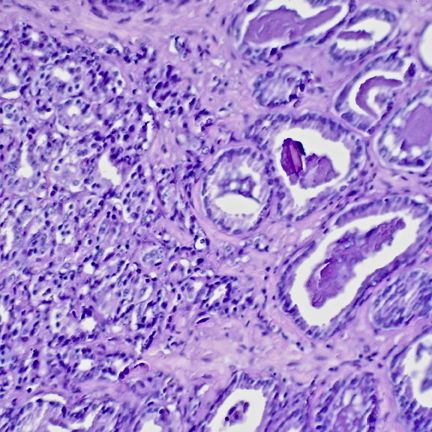
Prostate cancer treatment is not always the best option – a cancer researcher walks her father through his diagnosis
I understood from my work as cancer doctor that not undergoing treatment was an option. In some cases, that is the better choice. So I took it upon myself to educate my father on his disease and assist him with the life-changing decisions he would have to make. Our journey can give you a preview of what a cancer diagnosis can be like.
Continue reading
Immune cells that fight cancer become exhausted within hours of first encountering tumors – new research
A type of T cell called cytotoxic T cells can recognize the mutated proteins on cancer cells and should therefore be able to kill them. However, in most patients, cancer cells grow unchecked despite the presence of T cells.
The current explanation scientists have as to why T cells fail to eliminate cancer cells is because they become “exhausted.” The idea is that T cells initially function well when they first face off against cancer cells, but gradually lose their ability to kill the cancer cells after repeated encounters.
Continue reading
Women treated for breast cancer may age faster than cancer-free women
Among women diagnosed with breast cancer, the association with faster biological aging was most pronounced for those who received radiation therapy, while surgery showed no association with biological aging.
Continue reading
Aspartame: popular sweetener could be classified as a possible carcinogen by WHO – but there’s no cause for panic
So far, the regulators have all agreed that it’s safe for a person to consume 40mg of aspartame per kilogram of their body weight per day. That’s about 2.8g for a 70kg adult – and is much more than most people consume.
Continue reading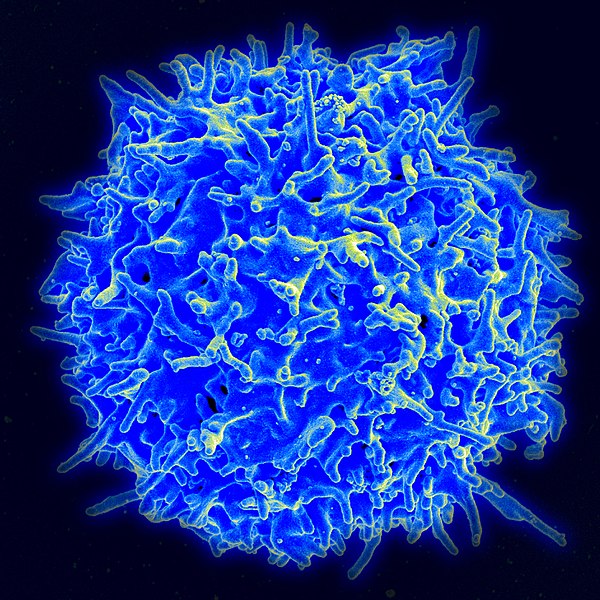
Pancreatic cancer: a personalised mRNA vaccine may boost effects of treatment
Half of the patients treated with the vaccine and immunotherapy combination saw an increase in a specific type of immune cell (called a T cell, which is known to protect against cancer).
Continue reading
The FDA’s rule change requiring providers to inform women about breast density could lead to a flurry of questions
Breast density matters for two reasons. Most importantly, dense breast tissue can hide cancer on a mammogram. About 40% of breast cancers will go unseen on mammography in the densest breasts, labeled “extremely dense breasts,” and about 25% will go undetected in heterogeneously dense breasts.
Continue reading
Breast cancer: progestogen-only and combined birth control both increase risk – here’s what you need to know
Until now, it was thought that only the combined hormonal pill carried a greater risk of breast cancer. But a recent study suggests that the progestogen-only pill (also known as the mini pill) and other forms of hormonal contraception also carry the same increase in breast cancer risk as the combined pill.
Continue reading
Seattle group reports TB vaccine advance
Temperature-stable TB vaccine is safe and provokes immune response By Brian Doctrow, Ph.D., National Institutes of Health. An experimental tuberculosis
Continue reading
Turning 50? Here are 4 things you can do to improve your health and well-being
There are four things in particular that take on greater importance when you turn 50 – that go beyond general health advice that’s beneficial at any age, like staying active, eating well and getting enough sleep.
Continue reading