While protein is certainly important for our health, most of us don’t need these protein-enhanced foods as a regular feature in our diet.
Continue reading
Your source for health news for the Pacific Northwest
While protein is certainly important for our health, most of us don’t need these protein-enhanced foods as a regular feature in our diet.
Continue reading
In the ever-changing wellness industry, one diet obsession has captured and held TikTok’s attention: protein. But is all this extra protein as beneficial as it’s made out to be? How much protein do we really need?
Continue reading
People who ate healthier diets in midlife were more likely to live into their 70s without major chronic disease.
Continue reading
Disease forecasts are like weather forecasts: We cannot predict the finer details of a particular outbreak or a particular storm, but we can often identify when these threats are emerging and prepare accordingly.
Continue reading
Under an emerging Republican plan to require some Medicaid recipients to work, between 4.6 million and 5.2 million adults ages 19 to 55 could lose their health care coverage, according to a new analysis.
Continue reading
Researchers found that factors such as levels of income and education, having enough food to eat, and owning a home mostly explained the higher rates of people in rural areas who had high blood pressure, diabetes, and heart disease.
Continue reading
Combined with previous reductions, these cuts may achieve some limited short-term savings. However, the proposed changes dramatically alter U.S. health policy and research, and they may endanger important benefits and protections for many Americans. They may also have severe consequences for scientific progress. And as some policy experts have suggested, the poorly targeted cuts may increase inefficiencies and waste down the line.
Continue reading
Throughout history, scientists have debated the definition of life and researchers from different fields still disagree. This debate shapes scientific understanding and influences public health decisions – for example, defining whether viruses are “alive” affects how we design vaccines and strategies to stop their spread.
Continue reading
For decades, experts have warned of an impending decline in the physician workforce. Now, Americans across all regions, specialties and socioeconomic backgrounds are experiencing that decline firsthand or personally.
Continue reading
In an aborted plan to roll out the news, the agency would have emphasized the importance of vaccinating people against the highly contagious and potentially deadly disease that has spread to 19 states, the records show.
Continue reading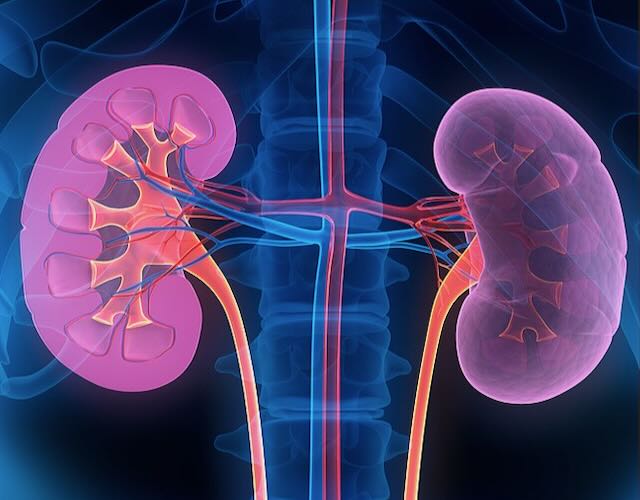
In the U.S., the biggest contributors to developing chronic kidney disease are high blood pressure and diabetes. Up to 40% of people with diabetes and as many as 30% of people with high blood pressure develop chronic kidney disease.
Continue reading
Nearly every modern medical treatment can be traced to research funded by the National Institutes of Health: from over-the-counter and prescription medications that treat high cholesterol and pain to protection from infectious diseases such as polio and smallpox.
Continue reading
Dental experts warn that the simultaneous erosion of Medicaid and fluoridation could exacerbate a crisis of rural oral health and reverse decades of progress against tooth decay, particularly for children and those who rarely see a dentist.
Continue reading
Kory London, Thomas Jefferson University and Karen Alexander, Thomas Jefferson University Philadelphia’s street opioid supply – or “dope” market –
Continue reading
Exercise – especially programs tailored to your needs and preferences – is likely to reduce pain and help you move better. This could include aerobic activity, strength training or Pilates-based movements.
Continue reading