Teenage girls who avoid meat in favour of a plant-based diet are at higher risk of developing an iron deficiency, according to our latest research.
Continue reading
Your source for health news for the Pacific Northwest
Teenage girls who avoid meat in favour of a plant-based diet are at higher risk of developing an iron deficiency, according to our latest research.
Continue reading
Republicans are far more skeptical of vaccines and twice as likely (1 in 5) as Democrats (1 in 10) to believe the measles shot is worse than the disease.
Continue reading
Originally known as psychosurgery, this uncommon approach to mental health care involves operating on the brain to alter its function. After lobotomies left many vulnerable patients disabled in the mid-20th century, the practice lost momentum and acquired a stigma. But surgeons in the field continued to refine their techniques. Now, psychiatric neurosurgery, a more nimble descendent, has seen an uptick in the treatment of conditions like severe OCD, and — more rarely — treatment-resistant depression and anxiety.
Continue reading
More children ages 1 to 4 die of drowning than any other cause of death. Nearly a quarter of adults received mental health treatment in 2023, an increase of 3.4 million from the prior year. The number of migrants from Mexico and northern Central American countries stopped by the U.S. Border Patrol was surpassed in 2022 by the number of migrants from other nations. We know these things because the federal government collects, organizes and shares the data behind them. Every year, year after year, workers in agencies that many of us have never heard of have been amassing the statistics that undergird decision-making at all levels of government and inform the judgments of business leaders, school administrators and medical providers nationwide. The survival of that data is now in doubt, as a result of the Department of Government Efficiency’s comprehensive assault on the federal bureaucracy.
Continue reading
The viruses that cause seasonal flu and bird flu are distinct but still closely related. Understanding their similarities and differences can help people protect themselves and their loved ones.
Continue reading
Washington hospitals lost $1.74 billion in 2023.
Continue reading
As hospitals in rural communities close, pharmacists are changing their workflow and business models to focus on providing more services.
Continue reading
Many states have rebranded their programs with consumer-friendly names such as SoonerCare in Oklahoma, Apple Health in Washington, Medi-Cal in California or TennCare in Tennessee.
Continue reading
Activities such as walking or cycling can increase the size of the hippocampus, the part of the brain responsible for memory and learning.
Continue reading
Cities and states fighting a historic measles outbreak find themselves undermined by the Trump administration as they struggle to provide crucial vaccinations and overcome disinformation. As of this week, cases were nearing 650 in 22 states, on track to reach a 34-year high.
Continue reading
You can take steps to prevent too much muscle loss and weakness as you age. Getting enough physical activity is key.
Continue reading
Many newborn screening protocols miss cases of the disease in Black, Hispanic, Asian, and Native American newborns.
Continue reading
The University of Washington is one of the top research universities in the country. This is underscored by the amount of research dollars they get from the federal government. Federal dollars make up 55% of all university research dollars nationally. UW is No. 5 nationally in its spending of this money. That money pays for labs and people across the university, not just the School of Medicine.
Continue reading
Measles can wipe out immune cells’ ability to recognize pathogens. Peter Kasson, Georgia Institute of Technology The measles outbreak that
Continue reading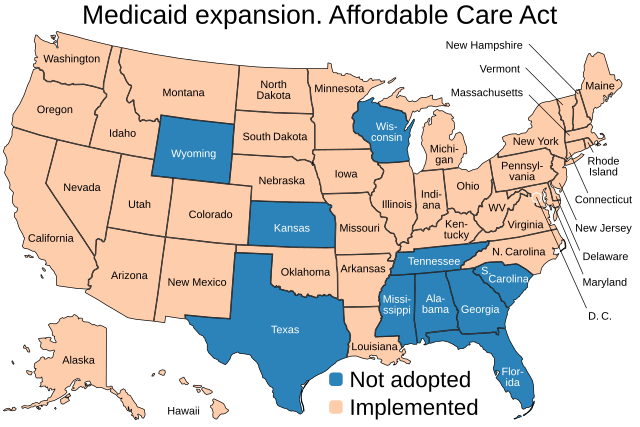
Medicaid is the single largest health payer in the nation, and is particularly important for people in poverty. Almost a fifth of people living in the United States are covered through Medicaid.
Continue reading