The word “leprosy” conjures images of biblical plagues, but the disease is still with us today.
Continue reading
Your source for health news for the Pacific Northwest
The word “leprosy” conjures images of biblical plagues, but the disease is still with us today.
Continue reading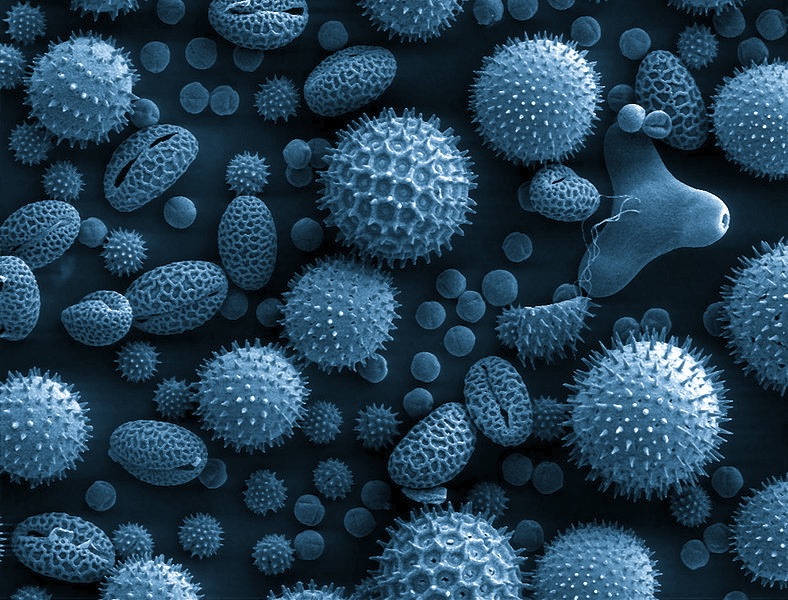
An allergy is your body’s reaction to an otherwise innocent substance that it has identified as an invader. If you have allergies and encounter a trigger (allergen), your immune system fights it by releasing chemicals, such as histamine (hence the term “antihistamine”). Histamine causes symptoms, such as runny nose, itchy nose, sneezing, and itchy and watery eyes.
Continue reading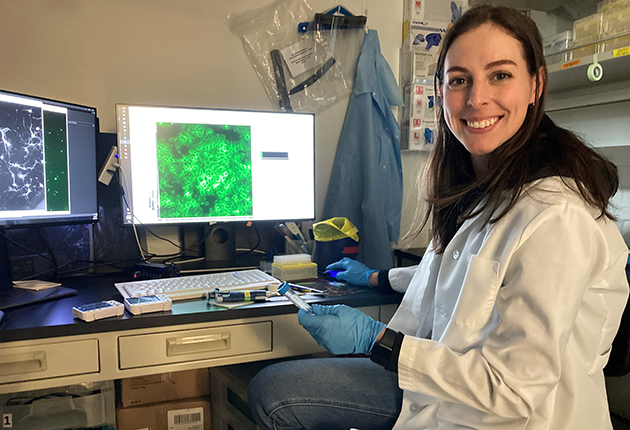
Protein engineering scientists have been able to design more efficient proteins using machine learning quickly, dramatically shortening a process that typically takes months to years of trial and error.
Continue reading
As they’ve grown in popularity, we’ve also heard more about the potential side effects – from common gastrointestinal discomforts, to more serious mental health concerns.
Continue reading
Strikingly, only 12% of Americans with dementia ever enroll in hospice. Among those who do, one-third are near death. This is in stark contrast to the cancer population: Patients over 60 with cancer enroll in hospice 70% of the time. In my experience caring for dementia patients, the underuse of hospice by dementia patients has more to do with how hospice is structured and paid for in the U.S. than it does patient preference or differences between cancer and dementia.
Continue reading
With varying guidelines around heart rate zones and conflicting evidence on the potential benefits of training in each zone, exercisers may be left wondering what to do.
Continue reading
Buprenorphine, also called suboxone, is a medication used to treat opioid use disorder. It is one of the best available treatments to alleviate withdrawal, reduce cravings, and reduce overdose risk by about half when taken as directed. It works by binding to the same receptors that opioids like fentanyl bind to, but it only turns them on about halfway. That keeps people from feeling sick and helps with their cravings.
Continue reading
Moderate drinkers often lead balanced lifestyles in other areas, too, which may contribute to their perceived better health. It is not just moderate drinking, but also their healthier overall opportunities and choices, such as better health-care access and self-care, that make them seem healthier.
Continue reading
That autonomy allowed them to pursue personal and professional interests that were meaningful to them, and it made some of the other hassles, such as long commutes, worth it.
Continue reading
A new study found that common cardiovascular complications of COVID-19 were substantially reduced in people who were vaccinated, with protective effects lasting up to a year after vaccination.
Continue reading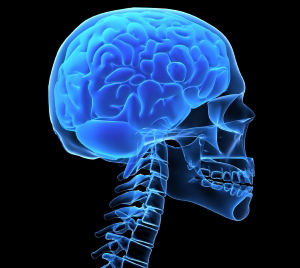
The autistic brain is different. It comes with limitations, but it also has its strengths.
Continue reading
We sat down with Dr. Eric Chow, Chief of Communicable Disease at Public Health – Seattle & King County to get the latest update and hear what our community can do to continue to prevent illness and what parents, schools, and our community should know.
Continue reading
Have you ever noticed the hazy smog that hangs over cities or the lingering smell of exhaust fumes from traffic? These are just a few noticeable signs of air pollution, a threat that can have a significant effect on our health and well-being.
Continue reading
In the United States, leprosy has been entrenched for more than a century in parts of the South where people came into contact with armadillos, the principle proven linkage from animal to humans. However, the more recent outbreaks in the Southeast, especially Florida, have not been associated with animal exposure.
Continue reading
The Washington State Department of Health announced updated guidance for what to do when someone is sick with COVID-19, flu, respiratory syncytial virus (RSV), and other respiratory viruses.
Continue reading