Diabetes

Type 2 diabetes is not one-size-fits-all: Subtypes affect complications and treatment options

To better serve people living with Type 2 diabetes, and to move away from a “one size fits all” approach, it is beneficial to understand which subtype of Type 2 diabetes a person lives with. This article explores four unique subtypes of Type 2 diabetes, shedding light on their causes, complications and some of their specific treatment avenues.

Continue reading
CC Fusobacterium Nucleatum V4

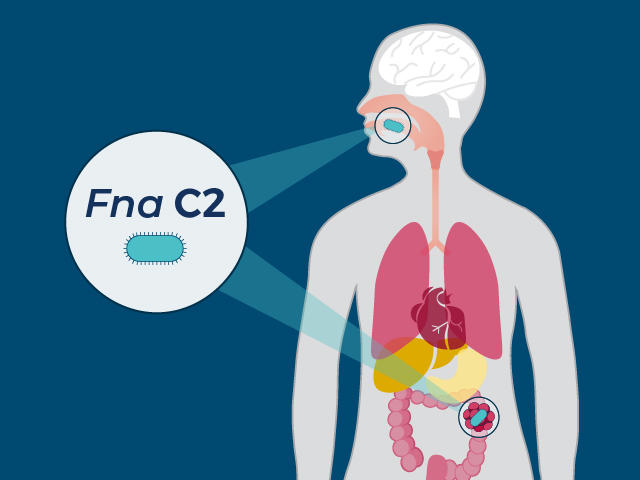
Scientists Link a Single Type of Bacteria to Colorectal Cancer

“It sounds scary, but this is good information to have,” said Susan Bullman, Ph.D., of Fred Hutch Cancer Center, who co-led the study. “Microbes are manipulatable—you can target them. So [as] we see that this microbe is getting to tumors and may be contributing actively to disease progression, we can harness that information and think about how to prevent that.”

Continue reading
Golden teacher kookoskuidussa

Psychedelics could make mental health worse in people with a personality disorder

Various personality disorders might respond differently to psychedelics. For instance, people with histrionic personality disorder (excessive attention-seeking and emotional overreaction) or borderline personality disorder (emotional instability, intense relationships and fear of abandonment) might feel worse or more unstable. And those with schizotypal personality disorder (social anxiety, odd beliefs and eccentric behaviour) could become more paranoid. People with narcissistic personality disorder (excessive self-importance, lack of empathy, and need for admiration) may struggle with the self-reflective nature of psychedelics because they often have a hard time handling criticism.

Continue reading
Chatbot robot technology

Increasingly sophisticated AI systems can perform empathy, but their use in mental health care raises ethical questions

Some examples of AI applications include: screening tools in primary care settings, enhanced tele-therapy sessions and chatbots offering accessible 24/7 emotional support. These can act as bridges for anyone waiting for professional help and those hesitant to seek traditional therapy. However, this turn to emotion-AI comes with a host of ethical, social and regulatory challenges around consent, transparency, liability and data security.

Continue reading