This death comes on top of a steep and unprecedented rise in illnesses and hospitalizations in King County and nationally among children for infections caused by multiple respiratory viruses.
Continue reading
Your source for health news for the Pacific Northwest
This death comes on top of a steep and unprecedented rise in illnesses and hospitalizations in King County and nationally among children for infections caused by multiple respiratory viruses.
Continue reading
Washington State Department of Health (DOH) will continue to provide free COVID-19 home test kits to residents at least through the end of 2022, despite the end of federal financial support for testing programs. Washingtonians can order up to 10 free at-home test kits per month through the “Say Yes! COVID Test” program.
Continue reading
Federal research agencies follow guiding principles in evaluating the use and care of animals in research.These principles are summarized by the “3 R’s” of animal research: reduction, refinement and replacement. The 3 R’s encourage scientists to develop new techniques that allow them to replace animals with appropriate alternatives.
Continue reading
It is often said that 95% of weight-loss measures don’t work. Only, it’s not true. Advances in behavioural treatments (such as cognitive behavioural therapy) for obesity and weight-loss drugs mean there are lots of approaches that help people lose weight. In fact, weight loss is the easy part . The problem is that when you come off a diet or stop taking a weight-loss drug, the weight will invariably creep back up.
Continue reading
Research shows that mass shootings lead to higher rates of depression and anxiety and higher risks for suicide among young people. They also lead to an overall decline in a community’s sense of well-being. Some studies suggest that mass shootings damage economic prospects in a community, diminishing productivity and earnings.
Continue reading
Lower levels of HDL cholesterol were associated with increased risks for heart attacks in white but not Black adults, and higher levels were not protective for either group. the study was the first to find that lower HDL cholesterol levels only predicted increased cardiovascular disease risk for white adults.
Continue reading
The failure rate for typical use of birth control pills is 7%. For every million women taking pills, 70,000 unplanned pregnancies could occur in a year. According to the most recent data available, more than 6.5 million women ages 15 to 49 use oral contraceptives, leading to about 460,000 unplanned pregnancies. Even seemingly minuscule failure rates of IUDs and birth control implants can lead to surprises.Even seemingly minuscule failure rates of IUDs and birth control implants can lead to surprises. Some 4.8 million women use IUDs or implants in the U.S., leading to as many as 5,000 to 20,000 unplanned pregnancies a year.
Continue reading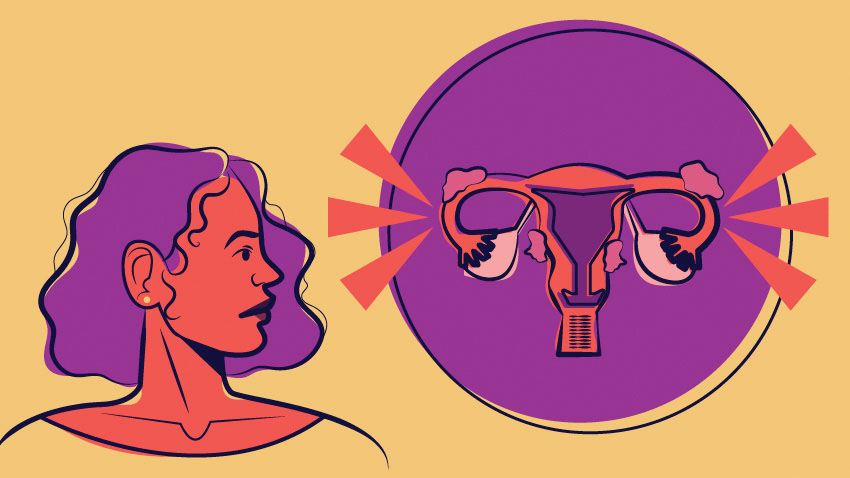
Despite symptoms, the diagnosis often comes painfully late.
Continue reading
The underlying reasons for the convergence of these viruses and the increase in infections so early in the season are not yet clear. But health experts have some clues about contributing factors and what it could mean for the coming months.
Continue reading
Calls are answered by Native crisis counselors who are tribal members and descendants closely tied to their communities.
Continue reading
Fentanyl is now involved in 70% of all confirmed overdose deaths to date in 2022, up from under 10% before 2018.
Continue reading
South Asians are particularly insulin resistant. Compared to Caucasians, South Asians had higher insulin concentrations in their blood after ingesting sugar. This means that South Asian individuals require more insulin to regulate their blood sugar levels, a characteristic of Type 2 diabetes. There are numerous possible explanations for this, but genetic variants could be one culprit.
Continue reading
They say they got canned advice and unresponsive clinicians — and some report they couldn’t get the newest drugs.
Continue reading
Opening windows and using filtration tools are effective ways to reduce indoor COVID-19 transmission.
Continue reading
Every year more than 20,000 pregnancies in the United States end in stillbirth, the death of an expected child at 20 weeks or more. That number has exceeded infant mortality every year for the last 10 years. It’s 15 times the number of babies who died of Sudden Infant Death Syndrome, or SIDS, in 2020.
Continue reading